Is Morocco Safe for Travelling? A Complete Safety Guide for 2026
Is Morocco safe for travelling? For most visitors, Morocco is a welcoming and rewarding destination, but like any popular international destination, it requires sensible precautions. Millions of travelers visit Morocco for its historic medinas, Atlantic beaches, Atlas Mountains, Sahara landscapes, food and culture. The right approach is not to assume that Morocco is completely risk-free, but to understand the main risks and know how to reduce them.
Current travel guidance from the UK government advises travelers to remain aware of security risks, including terrorism, petty crime and scams, while the U.S. Department of State currently lists Morocco at Level 2: Exercise Increased Caution, citing terrorism concerns. These advisories do not mean that ordinary tourism should be avoided, but they are a useful reminder to travel informed and stay alert. Read the latest UK safety advice for Morocco and check the U.S. travel advisory.
So, Is Morocco Safe for Travelling?
Yes, Morocco is generally suitable for tourism when travelers take normal precautions and respect local laws and customs. The most common problems visitors encounter are usually much more ordinary than the headlines suggest: pickpocketing in crowded areas, scams, aggressive unofficial guides, unwanted attention, road-safety issues and occasional theft.
Popular destinations such as Marrakech, Casablanca, Fes, Chefchaouen, Agadir and Essaouira have well-developed tourism infrastructure. However, safety can vary depending on the neighborhood, time of day and type of activity. A busy tourist area during the day is very different from an isolated street late at night.
What Are the Main Safety Risks in Morocco?
1. Petty theft and pickpocketing
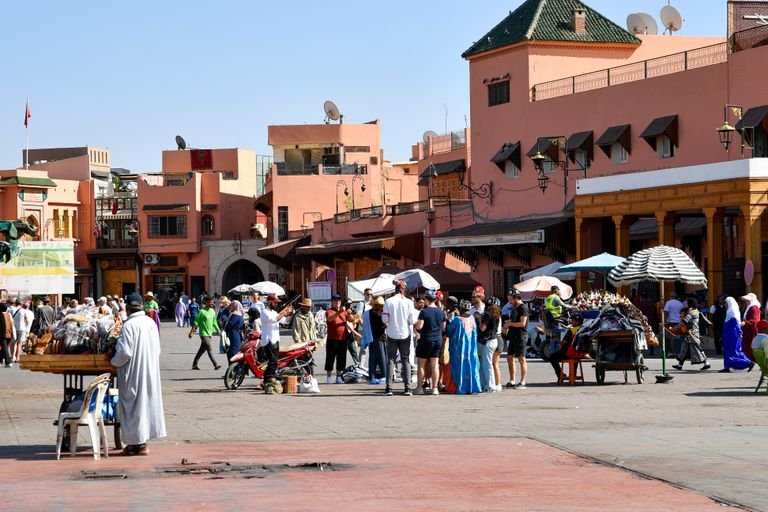
Pickpocketing and bag-snatching can occur in busy medinas, markets, transport hubs and other crowded tourist areas. Keep your phone and wallet secure, avoid displaying expensive jewelry and do not leave bags unattended.
A simple cross-body bag with a secure closure can be useful in crowded places. At ATMs, stay aware of people around you and avoid accepting unsolicited help.
2. Scams and unofficial guides
Some travelers encounter people offering unsolicited directions, tours or assistance and then demanding payment. In historic medinas, use an officially licensed guide if you want a guided tour. If someone approaches you unexpectedly, you can politely decline and continue on your way.
3. Street harassment and unwanted attention
Women, particularly solo travelers, may receive unwanted attention. This does not mean that women cannot travel independently in Morocco, but it is sensible to dress respectfully, stay aware of your surroundings and use established accommodation and transport providers.
4. Road safety
Road travel deserves particular attention. Traffic can be unpredictable in large cities, while mountain roads and rural routes can become more difficult in poor weather or at night. If you rent a car, drive defensively and avoid rushing on unfamiliar roads.
If you are planning a road trip, build realistic driving times into your itinerary rather than trying to cover too much of Morocco in one day.
5. Demonstrations and political gatherings
Demonstrations can occur, especially in major cities. They may cause disruption and, in some cases, confrontations. The safest choice for visitors is to avoid demonstrations and large political gatherings and follow instructions from local authorities.
6. Terrorism
International authorities continue to warn that terrorist groups may attempt attacks in Morocco. Tourist sites, transport hubs, crowded places and other locations can potentially be targeted. The risk should be taken seriously, but travelers can reduce exposure by staying aware of their surroundings, avoiding suspicious situations and following official security instructions.
Is Marrakech Safe for Tourists?
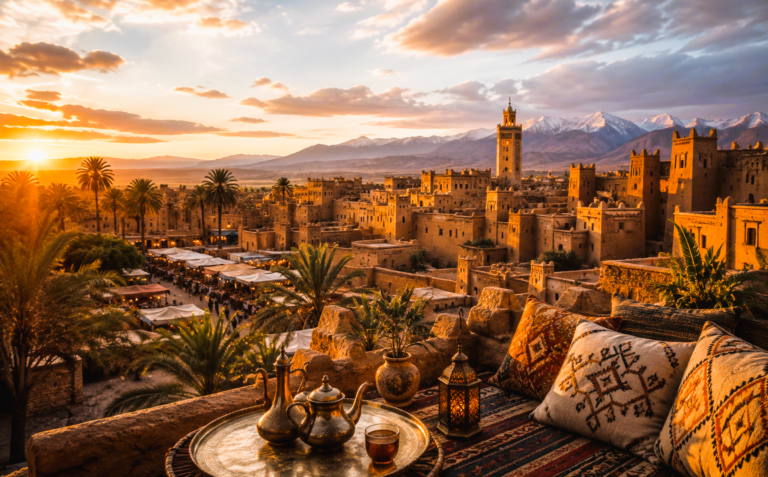
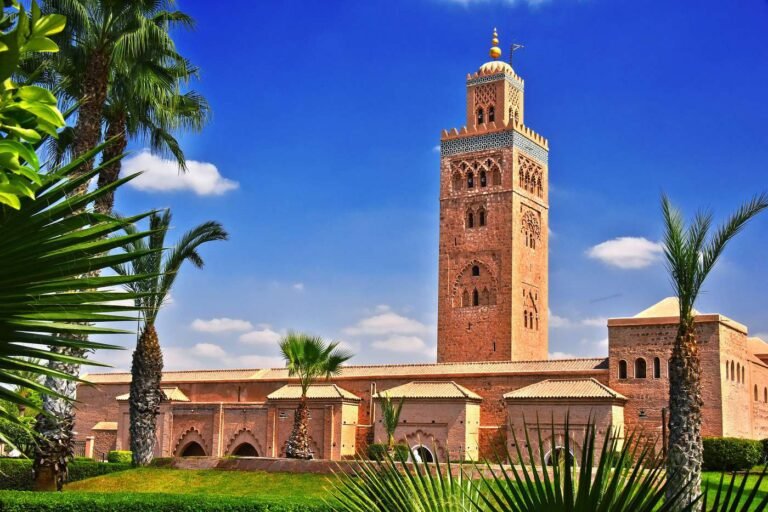
Marrakech is one of Morocco’s most visited destinations and has extensive tourism infrastructure. Visitors should nevertheless take extra care in crowded areas of the medina, around busy souks and when using unofficial guides.
If you are planning a short stay, our 3-day Marrakech itinerary can help you organize your sightseeing efficiently without trying to fit too many activities into one day.
Is Casablanca Safe for Travellers?
Casablanca is a large, modern city and Morocco’s main business center. Most visitors spend their time in central and tourist-friendly areas, but normal big-city precautions are important. Keep valuables secure, be careful in crowded transport areas and avoid unfamiliar or isolated streets late at night.
Is Chefchaouen Safe?
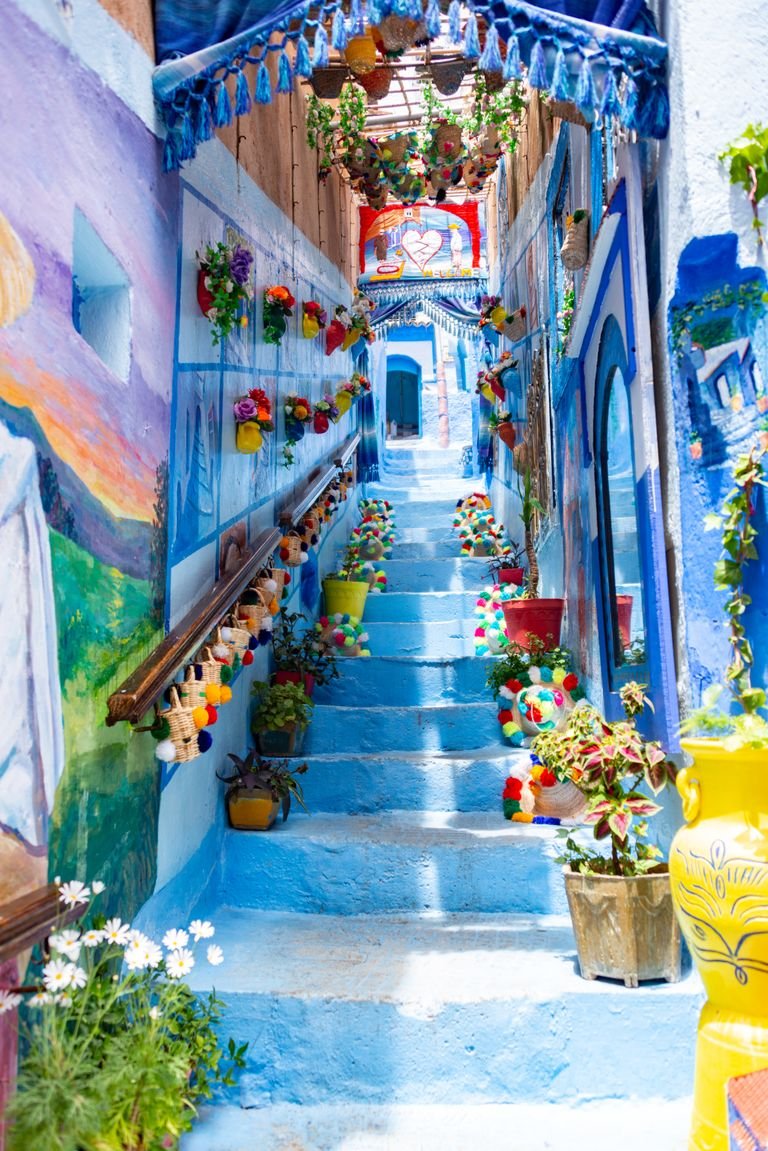
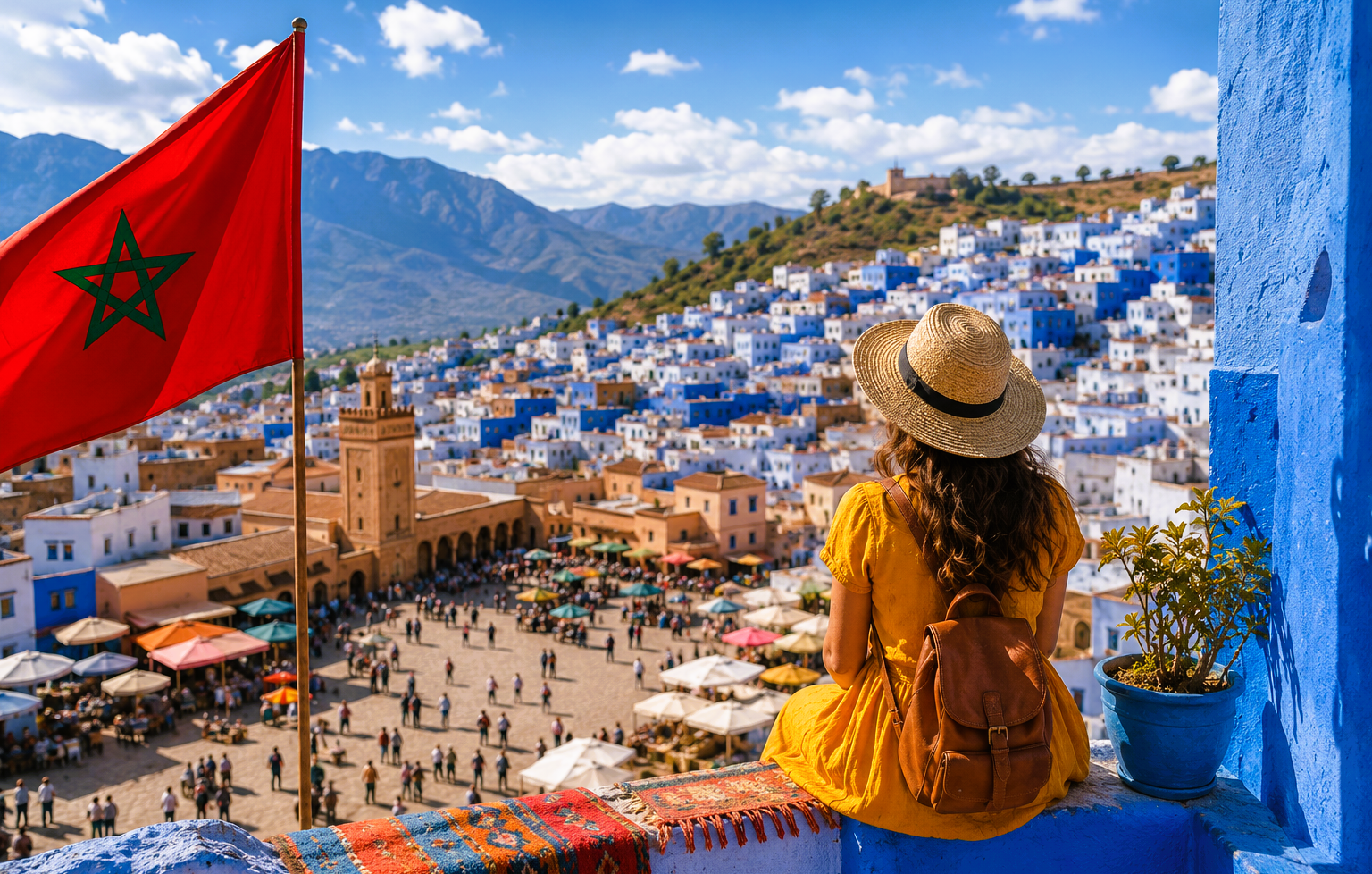
Chefchaouen is generally a relaxed destination for visitors and is famous for its blue-painted streets and mountain setting. Its medina is easy to explore on foot, although visitors should still protect their belongings and be careful on steep or uneven streets.
For ideas on what to see, read our guide to things to do in Chefchaouen.
Is Morocco Safe for Solo Travellers?
Solo travel in Morocco is possible, but preparation makes a major difference. Choose accommodation with strong reviews, keep someone informed about your itinerary and avoid walking alone through unfamiliar areas late at night.
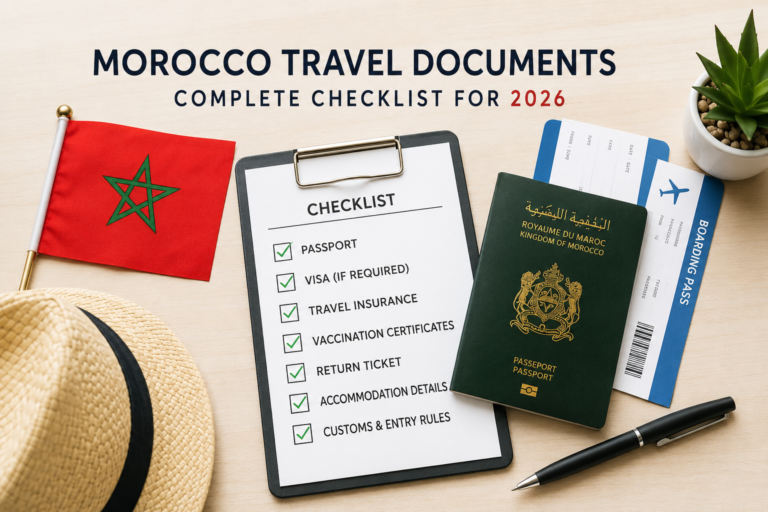
For longer independent trips, planning your documents and entry requirements in advance is especially useful. See our Morocco travel documents checklist before departure.
Is Morocco Safe for Families?
Morocco can be an excellent family destination. Cities, beaches, cultural attractions and desert experiences offer plenty of activities for different ages. Families should pay particular attention to traffic, crowded markets, heat and hydration.
For children, keep a close eye on them in medinas and busy squares, and choose accommodation that fits your family’s needs rather than simply choosing the cheapest option.
Safety Tips for Women Travelling in Morocco
- Wear comfortable clothing that also respects local customs, especially outside resort areas.
- Use well-reviewed accommodation and arrange reliable transport when arriving late.
- Keep your phone charged and share your itinerary with someone you trust.
- Be confident when declining unwanted approaches and move toward busy public areas if necessary.
- Avoid isolated places after dark, particularly when traveling alone.
Is It Safe to Travel to the Sahara Desert?
Desert trips are popular and can be very memorable, but they involve different practical risks from city travel. Use established tour operators, follow your guide’s instructions, carry sufficient water and protect yourself from sun and heat.
If your trip includes hiking or activities in the Atlas Mountains, use appropriate equipment and consider a professional guide for routes that match your experience level.
Morocco Travel Safety: Laws and Local Customs
Respecting Moroccan laws and cultural norms is an important part of staying safe. Morocco is a Muslim-majority country, and visitors should be particularly respectful around religious sites and during Ramadan. Rules concerning drugs, photography around sensitive locations, public behavior and other activities can be stricter than travelers may expect.
Before your trip, review the latest official travel advice because regulations and local conditions can change. The UK government’s current Morocco guidance specifically recommends checking local advice, respecting local traditions and understanding legal differences.
How to Prepare for a Safe Trip to Morocco
- Check your entry requirements: make sure your passport and visa requirements are in order.
- Buy suitable travel insurance: make sure it covers your planned activities and emergency expenses.
- Research your destinations: understand the areas you will visit and how you will move between them.
- Save emergency information: keep important contacts and copies of key documents accessible.
- Stay connected: have mobile data or another reliable way to access maps and contact your accommodation.
- Check official updates: review your government’s Morocco travel advice shortly before departure.
For a broader preparation guide, see our updated Morocco travel requirements guide for 2026.
When Is the Best Time to Visit Morocco?
Safety is only one part of choosing your travel dates. Weather, crowds and the activities you want to enjoy can make certain seasons more comfortable than others. If you are still deciding when to go, read our guide to the best time of year to visit Morocco.
Final Verdict: Is Morocco Safe for Travelling?
For most tourists, Morocco is a manageable and rewarding destination when sensible precautions are followed. It is not completely risk-free, and official governments continue to advise increased awareness because of terrorism and other risks. Visitors should also be prepared for petty crime, scams, traffic and cultural differences.
The best approach is neither to ignore the risks nor to let them overshadow the trip. Plan ahead, stay aware, use reputable services, respect local customs and check official travel advice before and during your journey. With these habits, you can enjoy Morocco’s cities, mountains, beaches, deserts and cultural heritage with greater confidence.
Travel advice can change. Always check the latest official guidance from your government before departure, particularly for regional security conditions and entry requirements.